
-
Cotton Tissue Manufacturing Machines
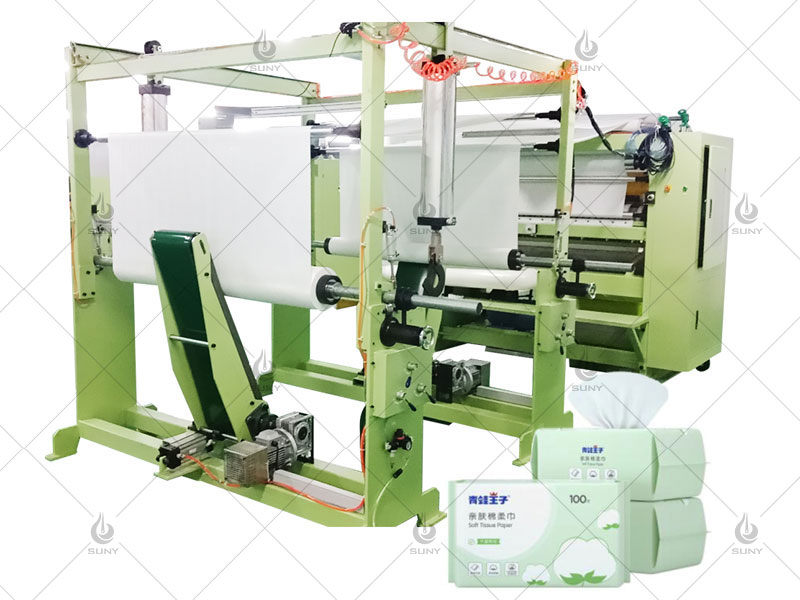
2026-02-02 17:09:55Cotton tissue manufacturing machines is specialized equipment designed to produce soft, absorbent, and eco-friendly cotton tissues from natural cotton-based raw materials. Unlike traditional wood-pulp tissue machines, cotton tissue machines focus on sustainability, skin-friendliness, and premium hygiene standards. These machines are widely used in the production of facial tissues, baby wipes, medical cotton tissues, and cosmetic wipes. With the rising demand for biodegradable and chemical-free hygiene products, cotton tissue manufacturing machines have become an essential investment for tissue producers worldwide.
1. Raw Materials Used in Cotton Tissue Production
The primary raw material for cotton tissue production is natural cotton, which may include raw cotton fiber, recycled cotton linter, or cotton nonwoven fabric. Compared with wood pulp, cotton fibers are longer, softer, and more durable, resulting in higher-quality tissue products. Some manufacturers also blend cotton with a small percentage of biodegradable fibers to improve strength and reduce costs. Using natural cotton ensures that the final cotton tissue is hypoallergenic, highly absorbent, and suitable for sensitive skin.
2. Working Process of a Cotton Tissue Manufacturing Machine
A standard cotton tissue manufacturing machine follows a continuous and automated production process. First, the cotton raw material is opened and cleaned to remove impurities. Next, the fibers are processed through pulping or fiber loosening, depending on the machine design. The material is then evenly formed into tissue sheets, followed by drying, embossing, and softening treatments. Finally, the cotton tissue is cut, folded, and packaged into finished products. Advanced machines offer PLC control systems to ensure stable operation, precise output, and consistent tissue quality.
3. Key Features and Advantages of Cotton Tissue Machines
Modern cotton tissue manufacturing machines are designed for high efficiency, low energy consumption, and stable performance. Key advantages include high automation, adjustable production capacity, and customizable tissue size and thickness. Compared to traditional tissue machines, cotton tissue machines produce less dust, generate minimal waste, and require fewer chemical additives. This not only reduces environmental impact but also lowers long-term operating costs. Additionally, the machines are easy to operate and maintain, making them suitable for both new and experienced manufacturers.
4. Applications and End Products of Cotton Tissue
Cotton tissues produced by these machines are widely used in medical, cosmetic, baby care, and household hygiene industries. Common end products include facial cotton tissues, baby cotton wipes, makeup remover pads, and disposable medical wipes. Due to their softness and high absorbency, cotton tissues are especially popular in premium markets. With growing consumer awareness of health and sustainability, the application scope of cotton tissue continues to expand globally.
5. How to Choose the Right Cotton Tissue Manufacturing Machines
When selecting a cotton tissue manufacturing machine, manufacturers should consider production capacity, automation level, raw material compatibility, and energy consumption. It is also important to evaluate machine stability, after-sales service, and spare parts availability. Choosing a reliable supplier with proven experience can ensure long-term performance and product quality. A well-selected cotton tissue manufacturing machine can significantly improve production efficiency and market competitiveness.
Previous Page:Next Page:Quick consultation
Zhengzhou SUNY Industrial Co., Ltd. , a SUNY Group subsidiary, specializes in manufacturing sanitary equipment including wet wipes machines, mask machines and diaper production lines. Headquartered in Zhengzhou, it integrates R&D, production and sales with China's leading sanitary automation expertise.ProductsCopyright: 2011-2025 Zhengzhou SUNY Industrial Co., Ltd. All rights reserved.