
-
How to Choose the Right Cotton Tissue Machine for Startup
2025-11-17 17:16:14Selecting the right cotton tissue machine for a startup is a critical decision that affects product quality, production costs, and long-term growth. Startups need equipment that balances affordability with reliable performance, scalable capacity, and consistent output quality. This guide explains the essential factors—price, capacity, and quality—so you can choose a machine that supports a lean, profitable launch.
1. Understand your product goals and market
Before evaluating machines, define what type of cotton tissue you will produce: facial wipes, makeup removal pads, disposable towels, or specialty medical wipes. Each product has distinct requirements for fiber weight, softness, absorbency, and finishing. Knowing your target market helps narrow machine options and determines acceptable tolerances for throughput and product consistency.
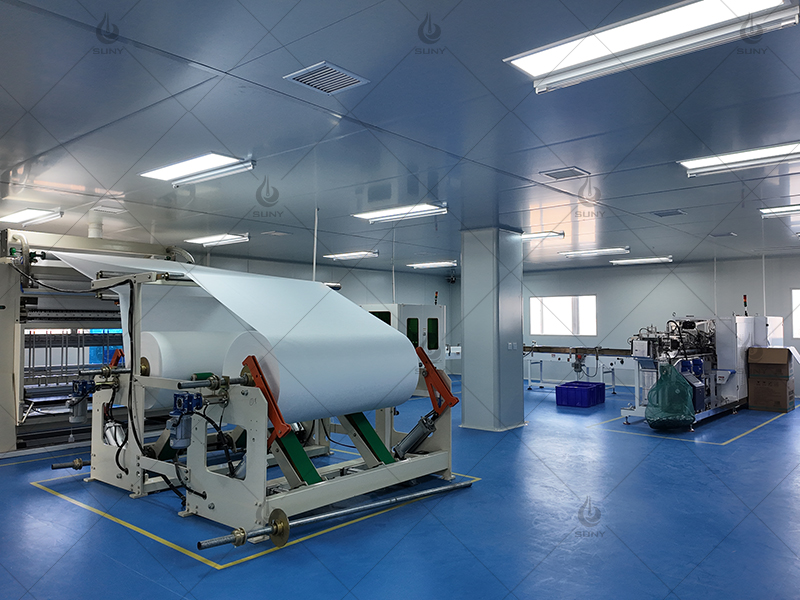
2. Price: upfront cost vs total cost of ownership
Price is often the first constraint for startups, but the lowest purchase price isn’t always the best deal. Compare:
-
Initial purchase price — fits your capital budget.
-
Installation and training — some suppliers include setup and operator training; others charge extra.
-
Operating costs — electricity, consumables (blades, adhesives), and spare parts.
-
Maintenance and downtime — estimated service intervals and cost of replacement components.
-
Resale value and warranty — longer warranties and modular machines often retain value.
Calculate a simple payback estimate: factor expected daily output, gross margin per unit, and projected operating expenses. This will show whether a higher-priced, more efficient machine is actually cheaper per unit in the long run.
3. Capacity: match machine output to realistic demand
Capacity must align with your production plan. Choose a machine with some headroom for demand spikes but not so large that it wastes capital. Consider:
-
Hourly and daily output (sheets/minute or kg/hour).
-
Batch flexibility — ability to switch roll widths or sheet lengths quickly.
-
Scalability — can multiple machines be paralleled as demand grows?
-
Changeover time — short setup reduces lost production when switching SKUs.
A conservative approach is to size for 70–80% of your 12-month forecast; this minimizes idle capacity while leaving room to scale.
4. Quality: consistent product properties and regulatory needs
Quality influences brand reputation. Evaluate machines for:
-
Raw material handling — gentle fiber feed for softer tissues.
-
Bonding and embossing control — precise settings for absorbency and texture.
-
Tolerance control — consistent weight per sheet and dimensional accuracy.
-
Contamination controls — hygienic design, easy cleaning, and enclosed zones for sanitary production if needed.
-
Third-party certifications — ISO, CE, or food/medical contact approvals where relevant.
Request sample runs from suppliers using your raw materials so you can verify end-product performance.
5. Supplier support and spare parts
Strong after-sales service reduces downtime. Prefer suppliers who offer:
-
Local or regional technical support.
-
Fast access to spare parts.
-
Remote diagnostics or training resources.
-
Clear spare-parts pricing and lead times.
6. Practical tips and red flags
-
Tip: Prioritize machines with modular design; upgrades are cheaper than full replacements.
-
Tip: Negotiate a pilot run clause to validate performance before full payment.
-
Red flag: Vague specifications, missing warranties, or suppliers unwilling to provide references.
Choosing the right cotton tissue machine for a startup requires balancing upfront cost, realistic production capacity, and uncompromised product quality. By defining your product goals, comparing total cost of ownership, verifying output with sample runs, and confirming robust supplier support, you can select equipment that supports sustainable growth and delivers a competitive product.
Previous Page:Quick consultation
Zhengzhou SUNY Industrial Co., Ltd. , a SUNY Group subsidiary, specializes in manufacturing sanitary equipment including wet wipes machines, mask machines and diaper production lines. Headquartered in Zhengzhou, it integrates R&D, production and sales with China's leading sanitary automation expertise.ProductsCopyright: 2011-2025 Zhengzhou SUNY Industrial Co., Ltd. All rights reserved. -