
-
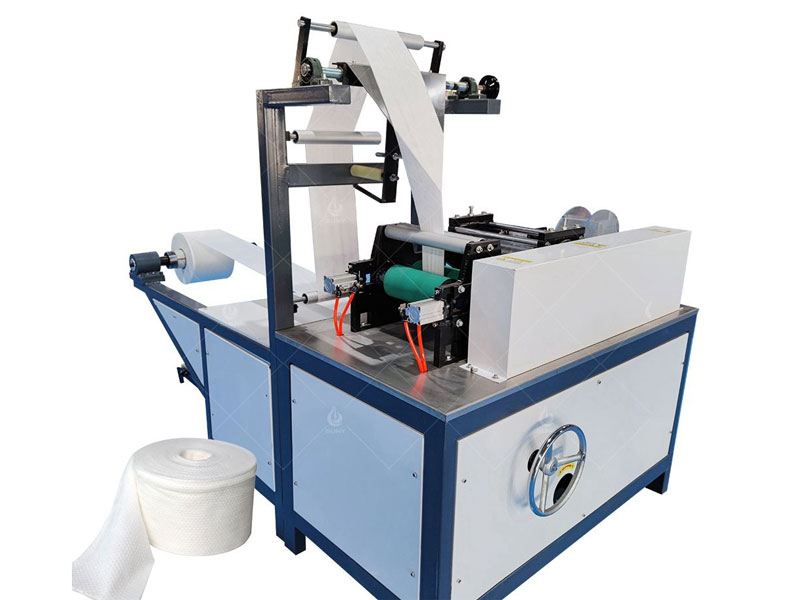
Non-woven Cotton Tissue Machine for Cosmetics
2026-01-10 18:45:09The global cosmetics and personal care industry is experiencing continuous growth, driven by rising consumer awareness of skincare, hygiene, and sustainable beauty products. As a result, non-woven cotton tissues have become an essential consumable in cosmetic routines, including makeup removal, facial cleansing, and skincare application. This trend has significantly increased demand for advanced non-woven cotton tissue machine for cosmetics solutions.
Cosmetic brands and OEM manufacturers are seeking efficient production equipment that can deliver consistent quality, high output, and compliance with hygiene standards. The non-woven cotton tissue machine for cosmetics plays a key role in meeting this growing market demand.
Advantages of Non-woven Cotton Tissue for Cosmetic Use
Non-woven cotton tissue offers several advantages compared to traditional paper or woven fabrics, making it ideal for cosmetic applications.
Key advantages include:
-
Soft and skin-friendly texture, suitable for sensitive skin
-
High absorbency, ideal for makeup removal and skincare liquids
-
Lint-free performance, ensuring a clean cosmetic experience
-
Disposable and hygienic, reducing cross-contamination risks
-
Eco-friendly options, using biodegradable or natural cotton fibers
These benefits drive continuous investment in the non-woven cotton tissue machine for cosmetics by manufacturers targeting premium cosmetic markets.
Working Principle of a Non-woven Cotton Tissue Machine for Cosmetics
Non-woven cotton tissue machine for cosmetics operates by bonding cotton or blended fibers through mechanical, thermal, or hydroentanglement processes rather than traditional weaving. The fibers are evenly distributed and bonded to form a uniform non-woven fabric with controlled thickness and softness.
Common bonding technologies include:
-
Spunlace (hydroentanglement) bonding
-
Thermal bonding for blended fibers
-
Needle punching for structural stability
The machine ensures precise control over fiber distribution, fabric weight, and softness to meet cosmetic-grade standards.
Production Process Flow of Non-woven Cotton Tissue
The production process using a non-woven cotton tissue machine for cosmetics typically follows a continuous and automated workflow:
-
Raw material feeding – Cotton fibers or blends are evenly fed into the system
-
Carding and web forming – Fibers are aligned to create a uniform web
-
Bonding process – Fibers are entangled or bonded to form fabric
-
Drying and finishing – Removes moisture and enhances softness
-
Slitting and cutting – Converts fabric into tissue sheets or rolls
-
Packaging – Hygienic packing for cosmetic market requirements
This streamlined process ensures stable output quality and high production efficiency.
Machine Configuration and Key Technical Features
Modern non-woven cotton tissue machine for cosmetics is designed with advanced automation and hygiene control.
Typical machine configurations include:
-
Automatic fiber feeding and tension control system
-
High-precision carding and web forming units
-
Adjustable fabric weight and thickness control
-
Dust-free and closed-loop production environment
-
PLC control system for easy operation and monitoring
These technical features help manufacturers reduce labor costs while maintaining consistent cosmetic-grade quality.
Applications and Market Value of Cosmetic Cotton Tissues
Products made by a non-woven cotton tissue machine for cosmetics are widely used across the beauty and personal care industry.
Major applications include:
-
Makeup remover pads and wipes
-
Facial cleansing cotton tissues
-
Skincare lotion application pads
-
Disposable beauty salon supplies
With rising demand for disposable, hygienic, and eco-friendly cosmetic products, the market value of non-woven cotton tissue continues to expand. Investing in a non-woven cotton tissue machine for cosmetics enables manufacturers to capture long-term growth opportunities in the global cosmetics supply chain.
The non-woven cotton tissue machine for cosmetics is a critical piece of equipment for producing high-quality, hygienic, and skin-friendly cosmetic cotton products. Supported by strong market demand, advanced production technology, and wide application fields, this machine represents a profitable and sustainable investment for cosmetic tissue manufacturers worldwide.
Previous Page:Next Page:Quick consultation
Zhengzhou SUNY Industrial Co., Ltd. , a SUNY Group subsidiary, specializes in manufacturing sanitary equipment including wet wipes machines, mask machines and diaper production lines. Headquartered in Zhengzhou, it integrates R&D, production and sales with China's leading sanitary automation expertise.ProductsCopyright: 2011-2025 Zhengzhou SUNY Industrial Co., Ltd. All rights reserved. -